
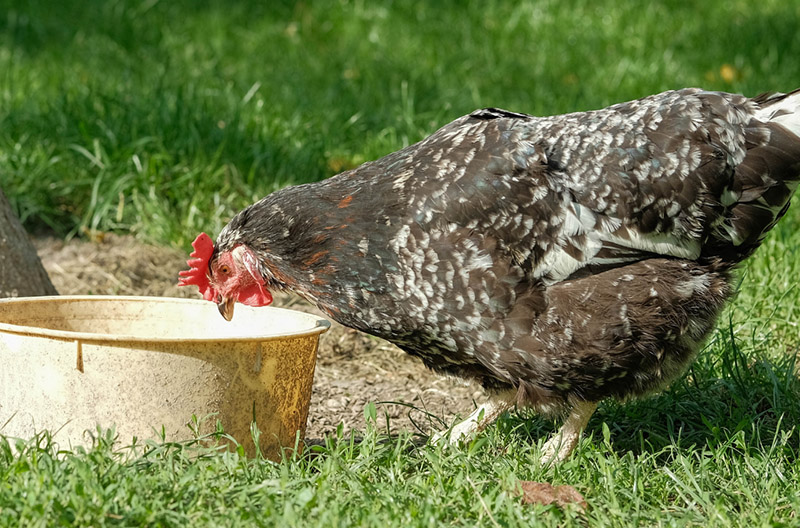
When the sun lingers a little too long and the air feels heavy, the flock of your heart needs a quieter rhythm of care.
Australian summers can be unforgiving, and chickens feel the heat far sooner than we do. Unlike humans, chickens don’t sweat. They rely on panting, lifting their wings, and slowing right down to try and regulate their body temperature. When those natural coping tools aren’t enough, heat stress can set in quickly.
Left unchecked, extreme heat can reduce egg production, suppress appetite, weaken immunity, and in severe cases, become life-threatening. Heavy breeds, young birds, and older hens are especially vulnerable.
The good news? A few thoughtful daily rituals can make all the difference.
Why Heat Stress Is Dangerous for Chickens
Heat stress occurs when a chicken’s body temperature rises faster than it can cool itself. Common signs include:
- Panting with an open beak
- Wings held away from the body
- Lethargy and reduced movement
- Pale combs or wattles
- Reduced eating and laying
In prolonged heat, dehydration and organ stress can follow. That’s why prevention matters more than intervention.
How to Keep Chickens Cool in Hot Weather
1. Shade Is Sacred
Access to shade is non-negotiable during summer. Trees, shrubs, shade cloth, or covered runs protect chickens from direct sun and radiant heat. Aim for shade throughout the hottest part of the day, not just early morning.
2. Fresh, Cool Water at All Times
Hydration is the single most important factor in preventing heat stress.
- Refresh water multiple times a day
- Place drinkers in shaded areas
- Use multiple water stations so lower-ranking birds can drink freely
Some keepers add ice blocks to drinkers during extreme heat, though simply refreshing with cool water regularly is just as effective.
3. Improve Airflow in the Coop
A well-ventilated coop allows hot air to escape and cooler air to circulate.
- Keep vents open day and night during heatwaves
- Avoid sealing coops in the name of security if airflow is compromised
- Elevate coops where possible to allow breeze underneath
Good airflow can lower internal coop temperatures significantly.
And remember not to compromise your chickens’ safety at night time.
The methods you chose to ventilate the coop should not enable easier access for predators.
See also “How to keep your chickens safe.”
4. Offer Cooling Treats
Frozen fruit and vegetables can provide relief and enrichment during hot days.
Popular options include watermelon, berries, corn, or cucumber. These treats encourage hydration and give your VIPs something cooling to peck at during the heat of the day.
5. Cool Feet Cool the Body
Some chickens enjoy standing in shallow trays of cool water. This allows heat to dissipate through their feet and legs.
Not every bird will use it, but offering the option gives your flock choice, which is key to good welfare.
6. Reduce Handling and Stress
Avoid unnecessary handling, coop cleaning, or changes during peak heat. Chickens conserve energy when it’s hot, and even well-meant fuss can add stress.
Sometimes the kindest care is simply giving them space.
Feeding Chickens During Hot Weather
Chickens naturally eat less in the heat. This is normal. Offering nutrient-dense, high-quality feed ensures they still receive essential nourishment even when intake drops.
Many keepers find feeding early morning or late afternoon aligns better with their chickens’ natural rhythms during summer.
Organic feed, batch-crafted with care, supports long-term health without adding unnecessary strain during stressful conditions.